Teeth Grinding Causes, Symptoms, and Treatment

Teeth Grinding Causes, Symptoms, and Treatment
Teeth grinding, also known as bruxism, is a common condition characterized by the clenching or grinding of teeth, often unconsciously. It can occur during the day or at night (nocturnal bruxism), and while occasional teeth grinding may not be harmful, chronic bruxism can lead to a variety of dental and overall health problems. Understanding the causes, recognizing the symptoms, and seeking appropriate treatment are crucial for managing this condition and protecting your oral health.
The exact cause of bruxism is often multifactorial, but common contributing factors include stress, anxiety, sleep disorders (such as sleep apnea), misaligned teeth (malocclusion), and certain medications. Daytime bruxism is often linked to stress or concentration, while nighttime bruxism is more frequently associated with sleep disorders. Symptoms of bruxism can range from mild to severe and may include headaches, jaw pain, earaches, worn-down teeth, increased tooth sensitivity, and a clicking or popping sound in the jaw joint (temporomandibular joint or TMJ). Left untreated, bruxism can lead to significant tooth damage, including fractures, loosening, and even tooth loss. It can also contribute to TMJ disorders.
Treatment for bruxism aims to reduce pain, prevent further tooth damage, and address the underlying causes. Treatment options include:
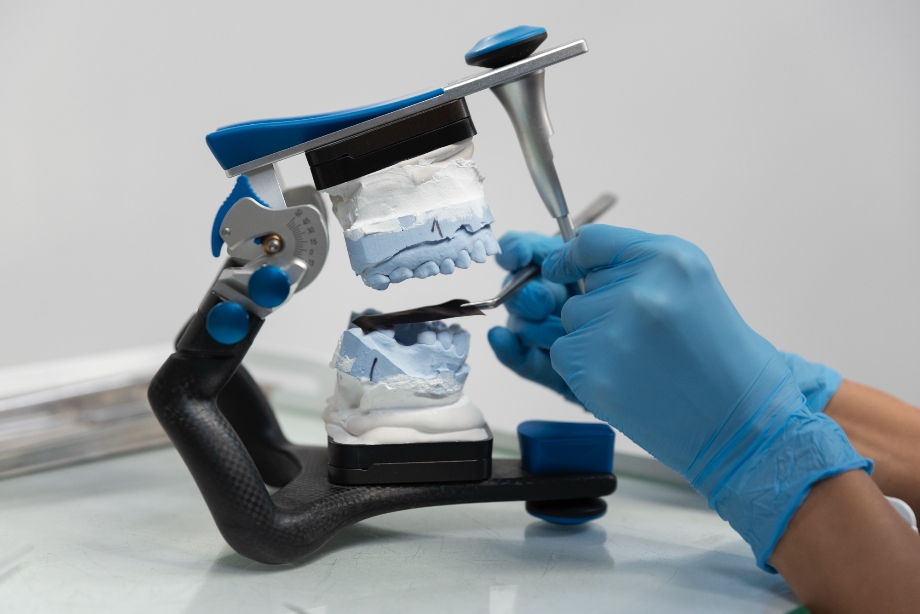
Mouthguards: Custom-fitted mouthguards worn during sleep can cushion the teeth and prevent grinding.
Stress Management: Techniques like meditation, yoga, and deep breathing exercises can help reduce stress and anxiety.
Muscle Relaxants: In some cases, muscle relaxants may be prescribed to relieve jaw muscle tension.
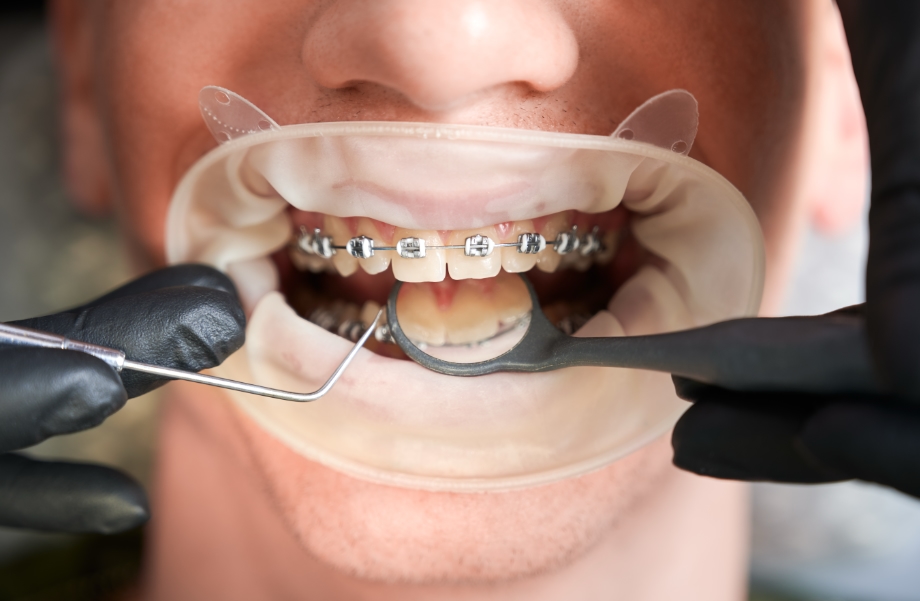
Dental Correction: If malocclusion is a contributing factor, orthodontic treatment or other dental procedures may be necessary.
Biofeedback: This technique can help individuals become more aware of their teeth grinding habits and learn to control them.
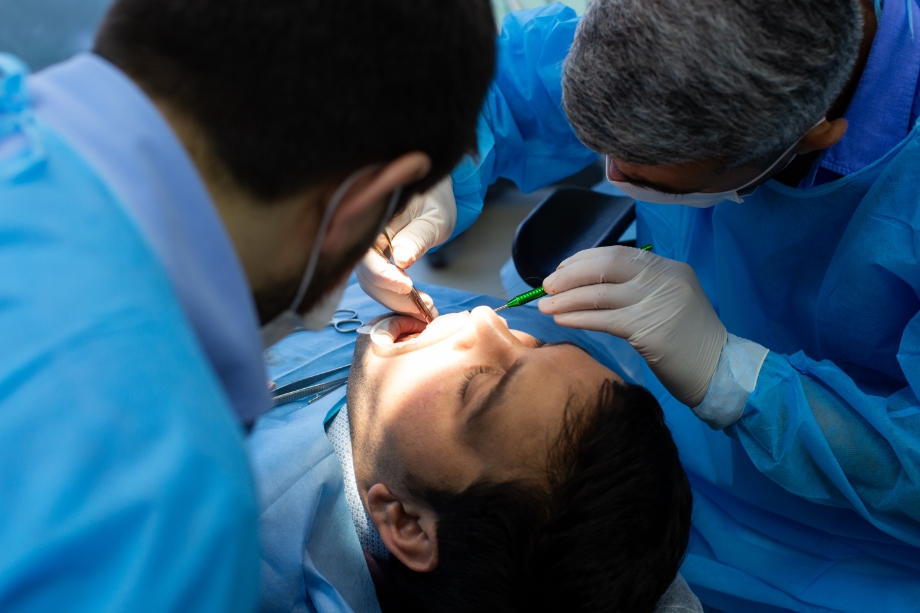
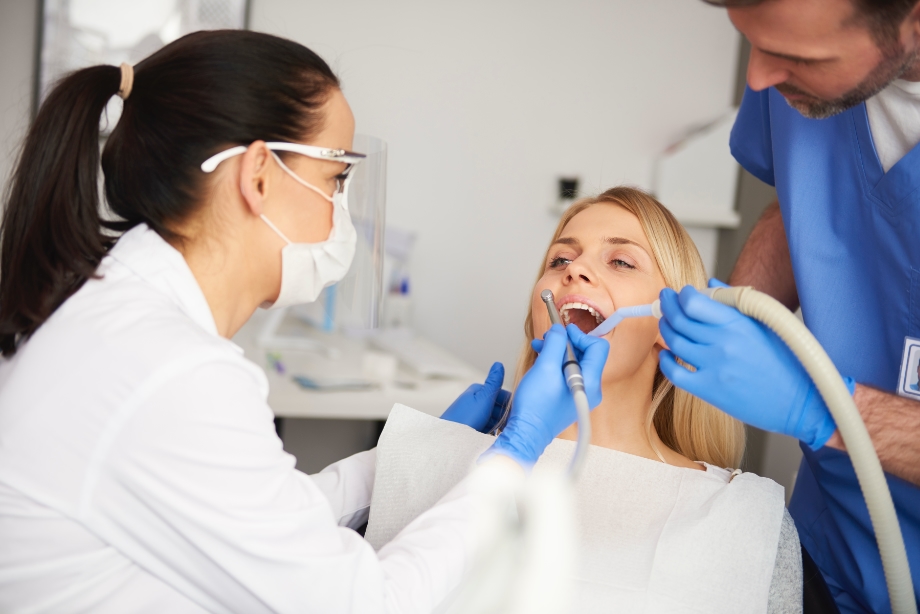
Regular dental checkups are essential for detecting and managing bruxism. Your dentist can assess the extent of any tooth damage and recommend the most appropriate treatment plan for your individual needs.
Our Dental Services
Comprehensive care to keep your smile healthy and bright